


Over time, you may have experienced moments where silence conveyed more than words ever could. In these instances, the absence of sound can amplify the weight of emotions, revealing your deepest thoughts and feelings. From the heaviness of grief to the comfort of shared understanding, these poignant pauses play an imperative role in human connection. This blog post will explore how silence can communicate profound meanings, encouraging you to reflect on your own experiences and the significant moments where silence truly spoke.

The Power of Silence
Silence holds immense strength, often expressing profound emotions that words fail to capture. In those fleeting moments of stillness, you can feel the weight of unspoken feelings, evoking a spectrum of reactions from introspection to catharsis. This power lies not just in the absence of sound, but in its ability to amplify your thoughts and emotions, allowing you to process complexities that verbal communication simply can't convey.
Historical Context
Throughout history, silence has played a pivotal role in pivotal movements and events. The Montgomery Bus Boycott in 1955, for instance, bore the weight of silence as African Americans abstained from public transportation, powerfully demonstrating their resistance against injustice. Similarly, moments of silence were observed after tragic events, like the 9/11 attacks, creating a collective space for mourning and reflection.
Cultural Significance
Silence is intricately woven into various cultures, often symbolizing respect, reflection, or contemplation. In many Indigenous cultures, silence is revered during sacred rituals, providing a space for connection with ancestors and nature. In Eastern philosophies, practices such as meditation embrace silence as a pathway to enlightenment and self-awareness.
The cultural significance of silence extends deeply into modern societal contexts. For instance, during protests, a deliberate moment of silence serves as a powerful statement against oppression, uniting people in shared grief and resolve. In traditional Japanese tea ceremonies, silence invites mindfulness and appreciation of each element involved, demonstrating balance and harmony. This communal and personal connection to silence highlights its ability to foster understanding, empathy, and solidarity across diverse settings. You may find that these moments often speak more loudly than clamor, resonating with the heart and soul of collective human experience.
Emotional Resonance
In moments of silence, your emotions often surge, revealing depths of feeling that words can't express. This 7 moments in life when silence speaks louder than words highlight how stillness evokes emotional responses, allowing you to connect with inner truths and shared experiences. Silence becomes a canvas where your unspoken thoughts and feelings paint vivid pictures of love, grief, or reflection.
Personal Reflection
Consider times when solitude enveloped you, offering space for introspection. In such quiet moments, you uncover facets of your identity and values, revealing insights often drowned out by daily noise. These are pivotal experiences that catalyze change, inviting you to reflect deeply on your beliefs and aspirations.
Collective Grief
When communities face loss, silence often blankets gatherings. You'll notice a profound collective grief as individuals come together, united in their heartache. The absence of words during memorials or vigils can amplify shared sorrow, transforming it into a collective experience that transcends individual pain.
This collective silence fosters a powerful connection among those who share the loss, allowing you to feel the weight of collective suffering. In gatherings, the hushed voices signify solidarity, as each individual's grief intertwines with others, creating a palpable atmosphere of empathy and understanding. Such moments often lead to profound healing, as silence serves as a reminder of both shared loss and shared strength in community.
Silence as Communication
Silence often serves as a potent form of communication, acting as a backdrop against which emotions and intentions can be weighed. It underscores moments where words may falter, creating space for feelings to surface without the interference of language. In interpersonal relationships, the pause between dialogue can reveal more than spoken exchanges, allowing you to assess your bond and mutual understanding. Silence invites you to interpret unspoken thoughts, fostering an intimate connection that can be more profound than any verbal declaration.
Nonverbal Expressions
Your body language during moments of silence speaks volumes. A lingering gaze, crossed arms, or a gentle touch can convey feelings of comfort, tension, or even unresolved conflict. These nonverbal cues often fill the void left by words, allowing you to communicate your emotional state without articulating it. Engaging in silence, you may notice that a friend's fidgeting or unsteady posture hints at anxiety or discomfort, illuminating the thoughts that lie beneath the surface.
The Weight of Unsaid Words
Unsaid words carry a heavy weight, often lingering in the air during pauses in conversation. The tension of anticipation for a confession or acknowledgment can amplify your emotional experience, making silence resonate with your innermost thoughts. Each unspoken sentence may be pregnant with regret, longing, or unresolved issues, highlighting the barriers you face in expressing those feelings. It's in that stillness that you grasp the profound significance of communication beyond verbal expression.
To fully appreciate the weight of unsaid words, consider a conversation where a pivotal thought remains unvoiced. This silence can linger, reflecting your fears or desires, shaping your perception of the other person. For instance, an apology never made can create a chasm of unresolved tension, leaving you in a state of emotional limbo. Such instances illustrate how this silence fosters a powerful undercurrent of emotion, compelling you to confront your vulnerabilities and the complexities of your relationships.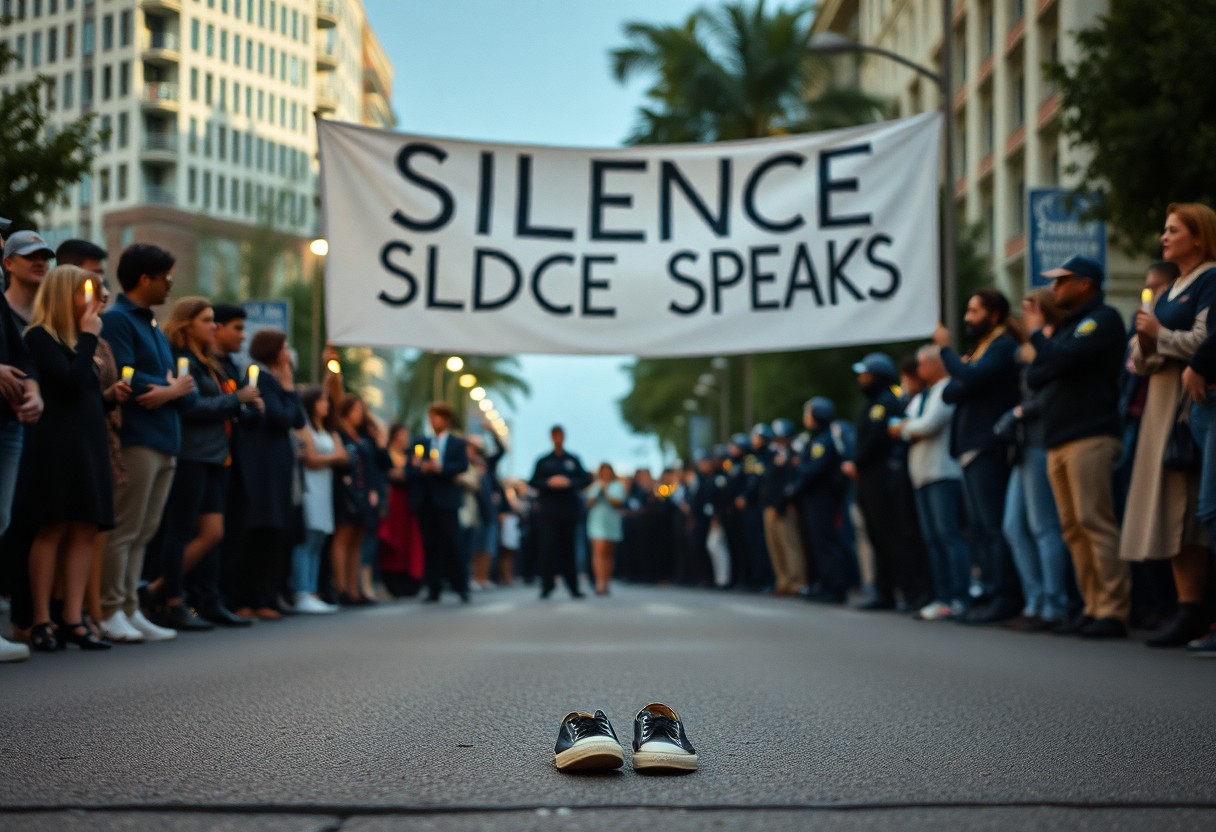
Moments of Silence in Social Movements
Protests and Demonstrations
Your presence at a protest often speaks volumes, but the moments of silence during these demonstrations resonate deeply. A pause in the chants not only honors those lost but also underscores the gravity of injustice that demands attention. In these silent interludes, the collective grief transforms into a powerful statement, amplifying the urgency of your cause.
Historical Examples
Several significant moments in history illustrate the profound impact of silence in social movements. For instance, during the 1963 March on Washington, the crowd fell silent to reflect on civil rights struggles. Similarly, the 1990s AIDS activism often featured moments of silence that poignantly highlighted loss and urgency for policy change.
At the March on Washington, the silence lasted for over 30 seconds, enveloping thousands in a shared experience of remembrance, profoundly affecting attendees and observers alike. During the AIDS crisis, moments of silence were frequently incorporated into protests, notably at the 1993 National March on Washington for Lesbian, Gay, and Bi Equal Rights. Here, the silence served as a haunting backdrop to the staggering over 200,000 lives lost, compelling a societal reckoning that paved the way for policy advancements. Such historical examples demonstrate how silence can transform grief into a call for action, making your voice heard without uttering a word.
The Psychological Impact of Silence
Silence has profound psychological effects that influence both individual and collective experiences. It often serves as a backdrop against which your inner thoughts and feelings unfold. A poignant illustration of this can be found in the sentiment that There is no silence louder than the absence of a voice I used to hear every day. This absence can provoke intense reflections on loss, identity, and connection.
Individual Emotions
In moments of silence, you may confront deep emotional landscapes marked by longing, grief, or introspection. The stillness encourages your mind to be fully present, allowing feelings that might otherwise remain suppressed to surface. For instance, a quiet room can amplify thoughts of someone you've lost, heightening your sense of absence and prompting a resonant internal dialogue.
Societal Dynamics
Silence in society reflects shared experiences that resonate on a collective level. During pivotal moments—like memorials or nationwide tragedies—your silence can unify diverse groups, fostering a sense of solidarity and shared grief. These communal silences often become a form of unspoken communication, expressing a wide range of societal emotions, from despair to hope.
Such moments of collective silence can bring communities together, highlighting the emotional weight borne by groups facing crises. For instance, during national tragedies, the enforced stillness serves as a space for collective mourning and reflection, shaping public discourse. This dynamic can stimulate conversations about social justice, encouraging individuals to engage in dialogues around shared values and common goals, reinforcing that silence can indeed wield significant power in shaping societal narratives and responses.

Navigating Silence in Relationships
Silence within relationships often carries profound meanings, serving as a double-edged sword. While it can create distance, it can also foster intimacy, allowing you to explore the depths of shared emotions without the interference of words. Mastering the nuances of these quiet moments can transform your connection, revealing unspoken needs and desires. Understanding the significance of silence helps in decoding the emotional undercurrents between you and your loved ones.
The Role of Silence Between Loved Ones
In relationships, silence acts as a powerful communicator, often reflecting feelings that words fail to convey. It can suggest understanding or indicate a need for space. During these quiet moments, you may find yourself attuned to your partner's non-verbal cues, gaining insights into their emotional state. Recognizing these instances allows for a deeper connection, as silence becomes an integral part of your relational dynamics.
Managing Conflict through Silence
Silence can be a strategic tool in conflict management, allowing both parties time to process emotions and thoughts. In heated moments, stepping back into silence prevents escalation, creating a space for reflection. This approach can lead to more productive conversations as you return with clearer minds and hearts. With intention, silence becomes a facilitator of understanding rather than a barrier to communication.
Silence can effectively change the direction of a conflict. For instance, taking a moment of silence after a heated exchange allows you to assess your feelings and the impact of your words before reacting. Studies suggest that couples who practice this form of silence during disagreements often report lower levels of anxiety and a greater sense of resolution. Embracing silence, rather than filling it with defensiveness, leads to a constructive dialogue where both feel heard and valued, laying the groundwork for resolution and healing.
Final Words
Hence, you may find that moments of silence often convey the deepest emotions, highlighting what words sometimes fail to express. In these pauses, you can gain insights into connections and experiences that shape your understanding of relationships. Embracing these times can lead to a greater appreciation of the unspoken bonds you share with others, allowing you to connect on a more profound level. Ultimately, recognizing the strength of silence can enhance your emotional intelligence and enrich your interactions.
FAQ
Q: What does "Moments of Silence That Spoke the Loudest" refer to?
A: It refers to instances where silence conveys profound feelings or insights, highlighting the significance of unspoken emotions in various experiences.
Q: How can silence impact our emotional understanding?
A: Silence can create a space for introspection, allowing individuals to process their emotions and reflect on situations in a deeper way, often revealing thoughts that words cannot express.
Q: Are there specific scenarios where silence is particularly powerful?
A: Yes, scenarios such as memorials, personal losses, or moments of contemplation in nature often amplify the emotional weight of silence, making it impactful.
Q: Can silence strengthen relationships?
A: Absolutely, shared moments of silence can foster a deeper connection between individuals, allowing for mutual understanding and emotional bonding without the need for words.
Q: How can one cultivate an awareness of meaningful silences?
A: Practicing mindfulness and engaging in reflective activities, such as journaling or meditative walks, can help individuals recognize and appreciate the significance of silence in their lives.