


Many people underestimate the power of human connections in shaping their identities. Interactions with others can serve as mirrors, reflecting aspects of yourself you may not even recognize. By engaging in relationships, you gain insights that prompt self-discovery and personal growth. This journey can reveal your strengths, vulnerabilities, and desires, ultimately guiding you to a clearer sense of purpose. Explore more about this transformative process in Getting to Ourselves through Others.
The Role of Relationships in Self-Discovery
Your relationships serve as reflective surfaces, revealing aspects of your identity you may not recognize on your own. Through interactions with others, you gain insights into your values, preferences, and emotional triggers. These dynamics provide a context for understanding how you relate to the world, enhancing your capacity for self-awareness. As you navigate these connections, you may find that conversations, shared experiences, and even conflicts prompt meaningful self-reflection, guiding you towards a clearer sense of self.
The Influence of Close Friends
Close friends often act as a sounding board, validating your thoughts and feelings while offering perspectives that challenge your assumptions. Their familiarity with your quirks and strengths allows them to highlight patterns in your behavior. Through candid discussions and shared experiences, you discover your desires and fears, fostering a deeper understanding of who you are. These friendships can push you toward growth by holding up a mirror to your true self.
Family Dynamics and Identity
Family interactions lay the groundwork for your foundational beliefs and self-perception. The roles you play within your family unit shape your understanding of love, support, and conflict resolution. Patterns established in childhood influence how you relate to others later in life. Recognizing these dynamics helps you identify limiting beliefs and behaviors that may be hindering your growth.
Family dynamics provide a rich tapestry of influences that shape your identity. Each member's behavior and expectations create a unique environment where you learn to navigate emotions and relationships. For instance, a supportive parent may foster confidence, while a critical one may lead to self-doubt. Identifying these patterns can reveal how familial interactions impact your choices and relationships in adulthood. By examining these influences, you can break free from unfair expectations and develop a more authentic sense of self, rooted in your own values rather than those imposed upon you.
The Impact of Social Interactions
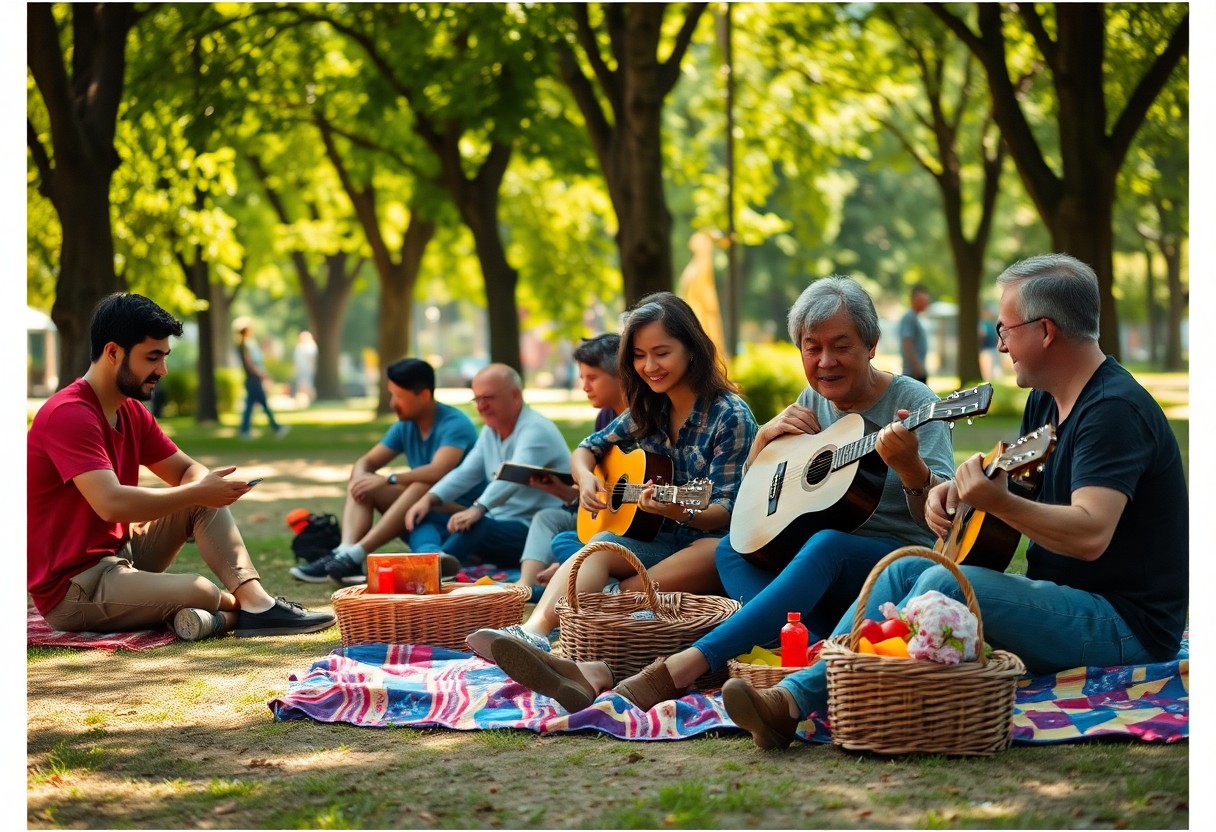
Your connections influence not just your emotions but also your worldview, shaping how you perceive yourself and your place in society. Through shared experiences, you begin to uncover parts of your identity that may have remained dormant. Engaging in thoughtful conversations can challenge your beliefs, fostering personal growth and self-knowledge. Each interaction offers new insights, compelling you to reflect on your values and motivations, reinforcing that who you are is often defined in relation to others.
Networking and Professional Growth
Building a robust professional network opens doors to opportunities you might not face alone. Connections with colleagues, mentors, and industry peers can provide valuable insights and guidance, enhancing your career trajectory. Studies show that individuals with diverse professional networks report higher job satisfaction and increased promotions. Leveraging these relationships allows you to learn from others' experiences, fostering both skill development and confidence in navigating your career path.
Community Engagement and Belonging
Being part of a community cultivates a sense of belonging that significantly impacts your self-identity. Engaging with people who share interests or challenges fosters support systems that uplift you. The act of contributing to community initiatives not only empowers those around you but also deepens your connection with your own values and beliefs. Involvement in community activities can lead to enhanced emotional well-being, further solidifying your sense of purpose.
Engaging in community activities puts you in touch with others who share similar passions, creating a sense of belonging that enriches your life. Volunteering for local causes or participating in group events exposes you to diverse perspectives, allowing you to understand the broader societal context of your experiences. Such interactions foster empathy and collaboration, often reflecting your own aspirations and values back to you. The more you immerse yourself in community life, the more you discover your strengths and how they can contribute to the collective. This mutual engagement nurtures personal growth, affirming your identity as you interact with the world around you.
Mirror Effect: Learning Through Others
Every interaction has the potential to reveal something about yourself, often through the responses and reflections of others. As you observe your friends, family, or colleagues, their behaviors and reactions can act as mirrors, showing you aspects of your own personality. Delve into this phenomenon further by exploring Finding yourself through the lens of others - The Coat of Arms, which elaborates on how shared experiences shape your identity.
Identifying Strengths and Weaknesses
When you engage with others, their feedback can shed light on your own strengths and weaknesses. Constructive criticism often unveils areas for improvement while affirming your positive traits. By actively listening and reflecting on others' insights, you empower yourself to evolve. Acknowledging these elements can lead to personal growth as you target specific aspects to enhance or change.
Gaining Perspective and Empathy
Your encounters with diverse individuals provide a unique lens through which to understand varying life experiences. Each conversation offers an opportunity to cultivate empathy and broaden your perspective. Engaging with differing viewpoints not only enriches your own understanding but also enhances how you relate to others in your life.
This growth is evident when interacting with someone whose experiences differ vastly from yours. For instance, discussing challenges faced by a colleague from a different cultural background can deepen your awareness of societal pressures and injustices. Such dialogues not only foster empathy but also challenge your preconceived notions, prompting you to reassess your beliefs. By immersing yourself in another's story, you not only learn about their journey but often discover parallels to your own, illustrating the profound impact of human connection in shaping your worldview.

Challenges in Interpersonal Connections
Interpersonal connections are not without their hurdles. Misunderstandings can arise, and emotional barriers may hinder genuine communication. Different backgrounds, beliefs, and life experiences contribute to these challenges, often leading to conflict or distance. Overcoming these issues requires self-awareness and a willingness to engage with discomfort, transforming challenges into opportunities for growth.
Navigating Conflicts and Differences
Engaging with differing perspectives can be a source of tension, but it also offers a pathway to deeper understanding. Practicing active listening and empathy allows you to decipher underlying motivations behind disagreements. This approach not only fosters resolutions but also encourages personal reflection and emotional maturity, as you learn to navigate and embrace the complexities of human relationships.
Overcoming Isolation and Loneliness
Isolation can be a significant barrier to your self-discovery journey. Actively seeking connections through community engagement, social activities, or shared interests can reduce feelings of loneliness. By placing yourself in diverse environments, the potential for meaningful interactions increases, often leading to insights that illuminate your own identity.
Embracing vulnerability is vital in combating isolation. You can start small by reaching out to acquaintances or joining groups aligned with your passions. Engaging in conversations or participating in team activities nurtures a sense of belonging. These experiences reduce feelings of loneliness while enabling you to view yourself more clearly through the reflections of others. As you connect, you'll find new facets of your personality revealed, affirming your place within the broader social fabric.

Tools for Enhancing Connections
Effective tools for enhancing interpersonal connections can significantly facilitate self-discovery. Techniques such as active listening, empathetic communication, and mutual feedback foster deeper relationships. Engaging with others not only enriches your understanding of them but also illuminates your own thoughts and feelings. For deeper insights, explore Can We Only Know Ourselves Through Another?.
Effective Communication Skills
Mastering effective communication skills transforms the quality of your interactions. Practicing active listening allows you to truly hear others, fostering a more profound connection. Using open-ended questions encourages dialogue, prompting richer exchanges. Non-verbal cues, such as eye contact and body language, reinforce your engagement, making it easier to express thoughts and emotions authentically.
Building Trust and Vulnerability
Trust is the cornerstone of meaningful relationships. Sharing your thoughts and experiences invites others to do the same, creating a safe space for vulnerability. Embracing your imperfections and expressing genuine emotions fosters intimacy, encouraging others to connect on a deeper level. These shared experiences lay the groundwork for stronger bonds, imperative for self-exploration.
Building trust and vulnerability isn't a one-time effort; it demands consistency and authenticity over time. By gradually unveiling your true self, you offer a glimpse into your emotions and experiences, inviting others to reciprocate. This back-and-forth establishes a dynamic where both parties feel secure enough to explore complex feelings and thoughts. A study from the University of California found that relationships characterized by vulnerability lead to greater emotional well-being, highlighting the importance of this foundation in personal growth.
Transformative Experiences
Transformative experiences can profoundly shape your identity and worldview. Engaging with others allows you to challenge your assumptions, learn new perspectives, and enhance your understanding of self. Each interaction serves as a mirror, reflecting aspects of your personality and beliefs that you may not have previously recognized, ultimately guiding you towards personal growth and deeper self-awareness.
Travel and Cultural Exchange
Travel and cultural exchange expose you to diverse ways of life, compelling you to reevaluate your values and beliefs. Immersing yourself in unfamiliar environments fosters empathy and opens your eyes to new ideas, driving you toward a richer understanding of your identity. Engaging with people from different backgrounds can reveal the interconnectedness of humanity while highlighting what makes you unique.
Mentorship and Guidance
Seeking mentorship offers invaluable insights that can dramatically influence your journey of self-discovery. A mentor provides not only knowledge but also perspective, sharing experiences that help you navigate challenges and recognize your potential. This relationship often encourages you to step outside your comfort zone, fostering resilience and growth.
In mentorship, the relationship can act as a catalyst for transformation. By engaging with a mentor, you benefit from their expertise and experience, which illuminates potential paths you might not have considered. For instance, many successful individuals attribute their breakthroughs to mentors guiding them through obstacles, contributing to increased confidence and clarity in their goals. A mentor's feedback encourages you to examine your strengths and weaknesses more critically, ultimately propelling your personal evolution and self-discovery.
Conclusion
Taking this into account, you can recognize that your relationships serve as reflections of your own identity. Through interactions with others, you gain insights into your values, beliefs, and behaviors. By engaging with diverse perspectives, your understanding of yourself deepens, enabling personal growth and self-discovery. Embracing these connections not only enriches your life but also empowers you to evolve into a more authentic version of yourself. Ultimately, finding yourself through others is an ongoing journey that shapes your narrative and informs your interactions in the world.
FAQ
Q: How can relationships help in self-discovery?
A: Relationships provide feedback and different perspectives, helping individuals understand their own thoughts, feelings, and behaviors. By engaging with others, we can uncover aspects of ourselves that we may not recognize alone.
Q: What role do mirrors play in understanding ourselves through others?
A: Others often reflect our traits, strengths, and weaknesses. Observing how we react to these reflections can provide insight into our personal values, insecurities, and areas for growth, forming a clearer picture of our identity.
Q: How does vulnerability in relationships contribute to self-growth?
A: Being vulnerable encourages openness and honesty, fostering deeper connections. This environment allows individuals to explore their emotions and experiences, leading to greater self-acceptance and personal development.
Q: Can conflict in relationships aid in finding oneself?
A: Yes, conflicts often highlight underlying issues and personal triggers. Navigating these challenges can encourage introspection and growth, helping individuals understand their reactions and learn effective coping strategies.
Q: What is the impact of diverse perspectives on self-exploration?
A: Engaging with diverse individuals exposes us to different ideas and experiences, broadening our understanding of the world. This can challenge preconceived notions and inspire personal reflection, guiding us towards a more nuanced sense of self.